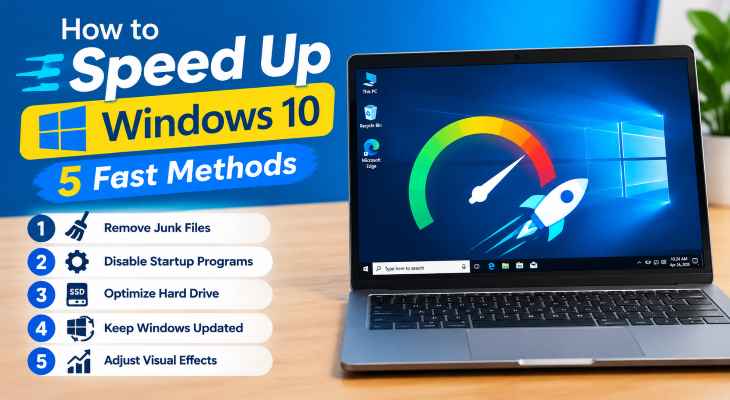
Over time, operating systems can become sluggish due to background processes, unnecessary visual effects, and accumulated temporary data. Learning how to speed up windows 10 helps optimize desktop responsiveness, reduce boot times, and improve overall system performance without buying new hardware.
In this step-by-step guide, we will break down common causes of system slowdowns and walk you through five practical methods to optimize your PC.
Table of Contents
Why Is Your Windows 10 PC Running Slow?
System slowdowns usually stem from resource consumption glitches rather than aging hardware alone. Primary causes include:
Too many third-party applications launching automatically during startup.
Low virtual memory allocations during heavy multitasking workloads.
Corrupted system cache or excessive temporary background files.
Unnecessary visual animations consuming CPU and graphics processing power.
How to Speed Up Windows 10: 5 Fast Methods
Step 1: Disable Unnecessary Startup Programs
Background apps that launch during boot slow down your PC and consume system memory:
Press
Ctrl + Shift + Escto open Task Manager.Click More details if Task Manager opens in minimal mode.
Select the Startup tab at the top.
Review the list of apps and identify high-impact startup items.
Right-click unnecessary applications and select Disable.
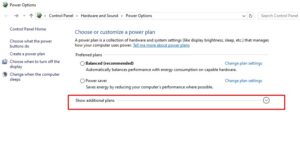
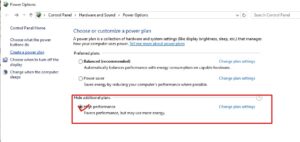
Step 2: Change Power Plan to High Performance
Windows often defaults to balanced power management, which limits hardware speed to conserve energy:
Press
Win + R, typepowercfg.cpl, and press Enter.Expand the Show additional plans section if needed.
Select High performance (or Ultimate Performance if available).
Close the Control Panel window to apply hardware optimization instantly.
Step 3: Adjust Visual Effects for Maximum Speed
Fancy animations and window shadows consume valuable graphical resources:
Press
Win + S, typeadjust the appearance and performance of Windows, and press Enter.Under the Visual Effects tab, select Adjust for best performance.
Optionally, check Smooth edges of screen fonts to keep text crisp.
Click Apply > OK to save your preferences.
Step 4: Increase Virtual Memory (Paging File)
Allocating additional virtual memory prevents software lockups during heavy RAM usage. If you recently optimized temporary data storage, check our guide on how to clear cache windows 10.
Open the performance options window (
Win + S, typeadvanced system settings).Click Settings under the Performance section, then select the Advanced tab.
Click Change under Virtual memory.
Uncheck Automatically manage paging file size for all drives.
Select Custom size, set Initial and Maximum sizes based on your installed RAM, and click Set > OK.
Step 5: Enable Storage Sense and Remove Junk Files
Automating disk maintenance prevents temporary system junk from cluttering your primary storage:
Press
Win + Ito open Settings and select System > Storage.Toggle the Storage Sense switch to On.
Click Configure Storage Sense or run it now.
Set the cleanup schedule to run weekly or monthly to remove old temporary files automatically.
Frequently Asked Questions (FAQs)
Will disabling startup apps delete them from my PC?
No, disabling an app from the Startup tab only prevents it from launching automatically when your computer turns on. You can still open and use the application anytime.
Does upgrading to an SSD speed up Windows 10?
Yes, replacing a mechanical Hard Disk Drive (HDD) with a Solid State Drive (SSD) is the single most effective hardware upgrade to dramatically improve boot speeds and application loading.
Conclusion
Mastering how to speed up windows 10 through startup management, power optimizations, and system file cleanup ensures a smooth desktop experience. Additionally, keeping your display drivers updated ensures optimized hardware performance during heavy daily computing tasks. Performing regular performance maintenance keeps your PC running like new. For official system tuning guidelines, visit Microsoft.